CAR DESIGN

evolution of product design through the ages

1880s

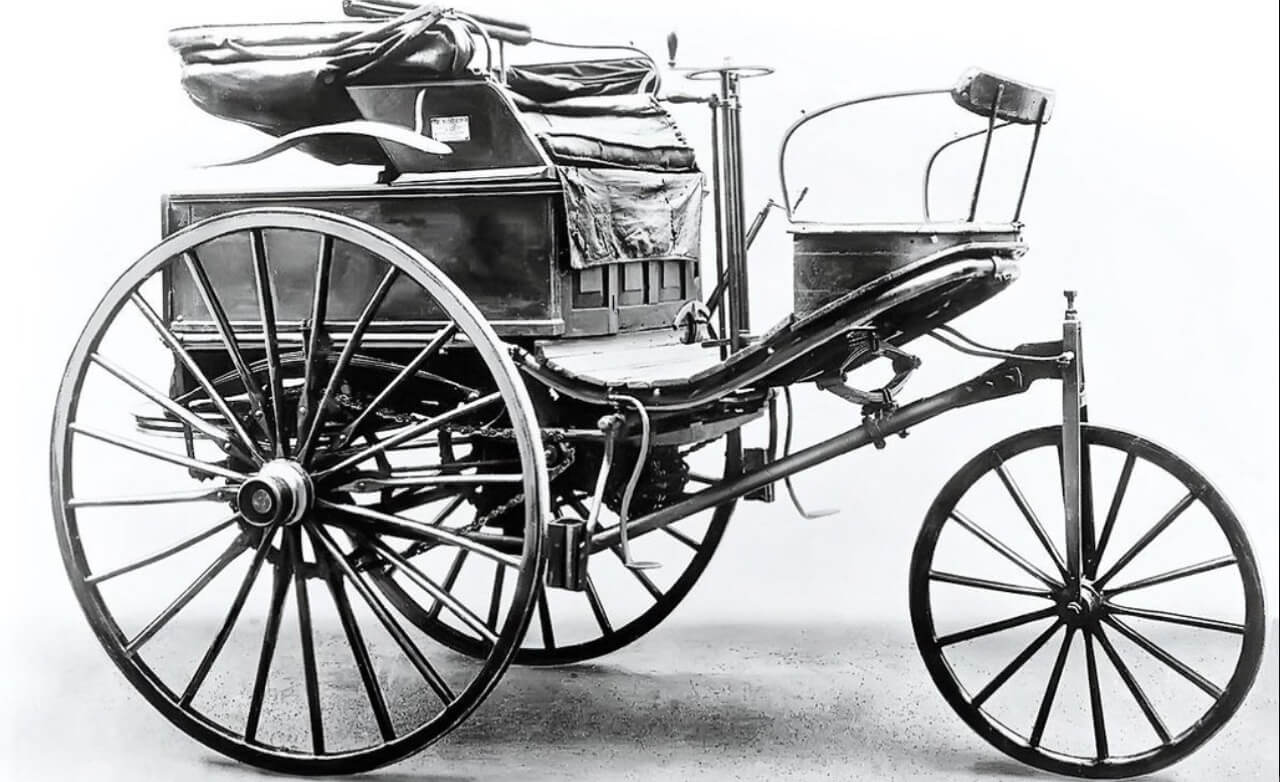
The Dawn of Automobiles

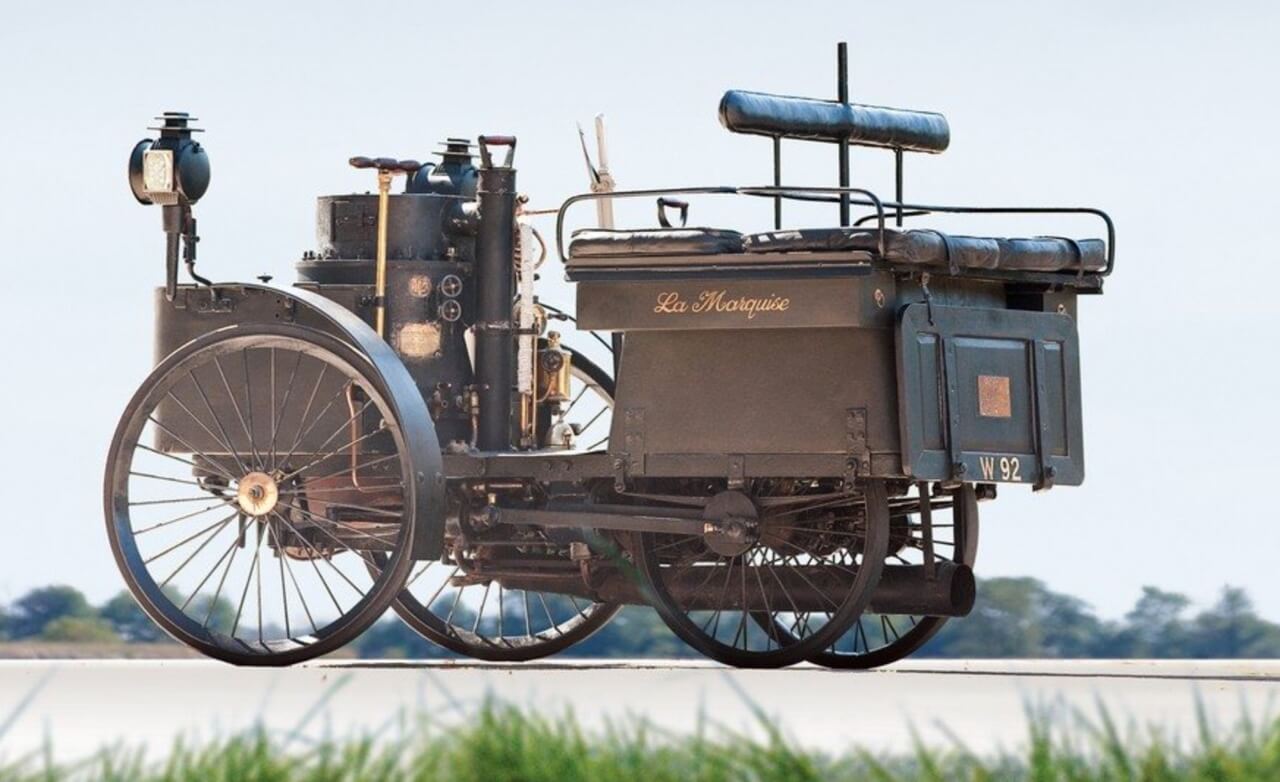
The 1880s marked the beginning of the automobile era, with Karl Benz inventing the first gasoline-powered car in 1885. This pioneering achievement sparked a wave of innovation, with the introduction of the first electric car by Morrison Electric in 1887. The early cars were essentially horse-drawn carriages with engines: no roofs, no doors, and no safety features. The 1880s saw the development of the internal combustion engine, the introduction of the first steering system, and the use of wooden wheels.
1890s

The Rise of the Industry

The 1890s saw the introduction of the first mass-produced cars, with Henry Ford's Quadricycle being one of the most notable. The cars of this decade were still quite primitive, still without roofs, minimal suspension, and poor braking systems. However, cars began to take on a more modern shape, with the introduction of closed bodies and more comfortable seating, and they were more powerful and faster than their predecessors, with some models reaching speeds of up to 20 mph.
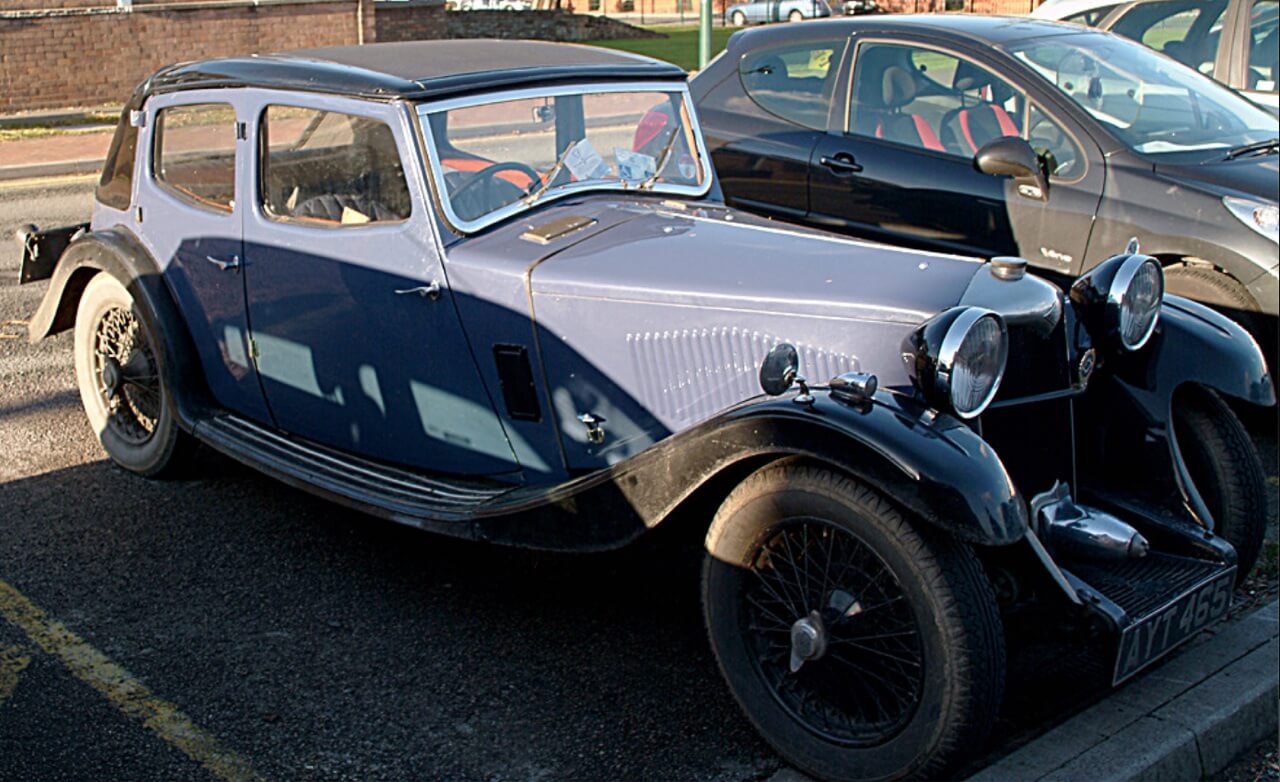
1900s

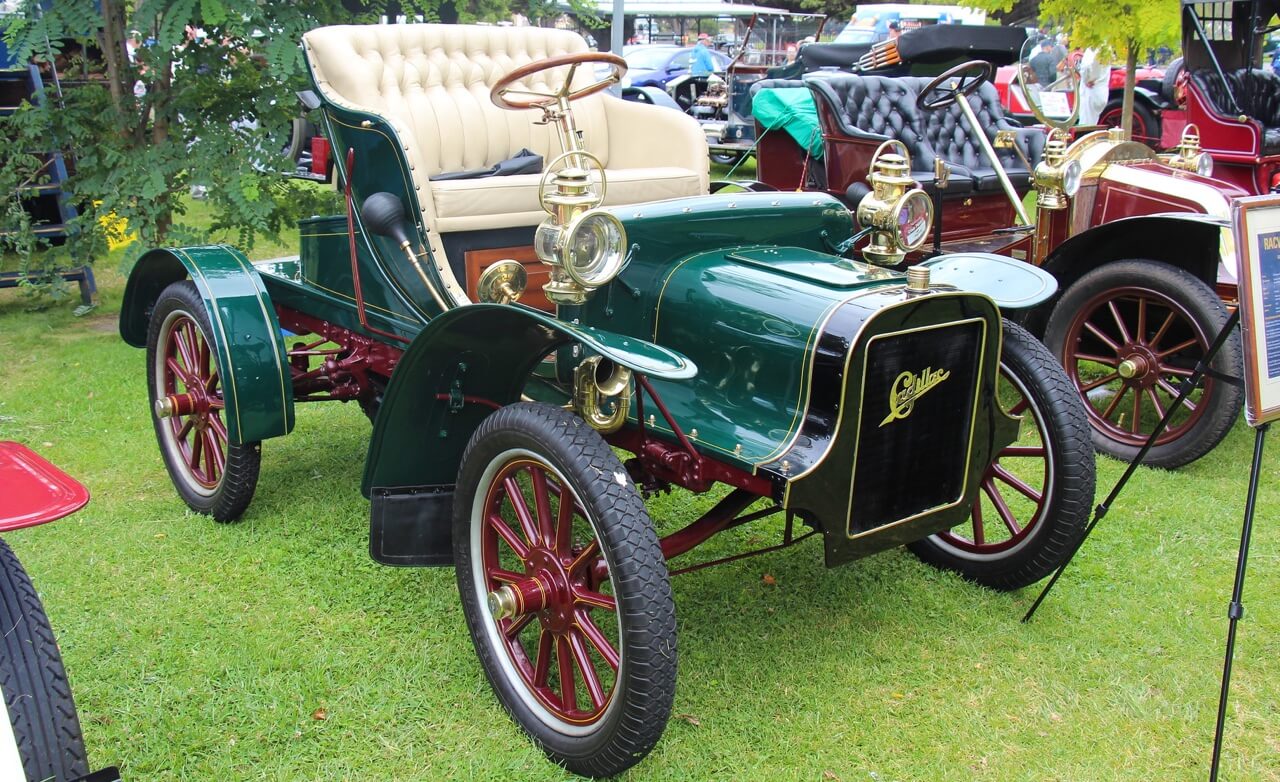
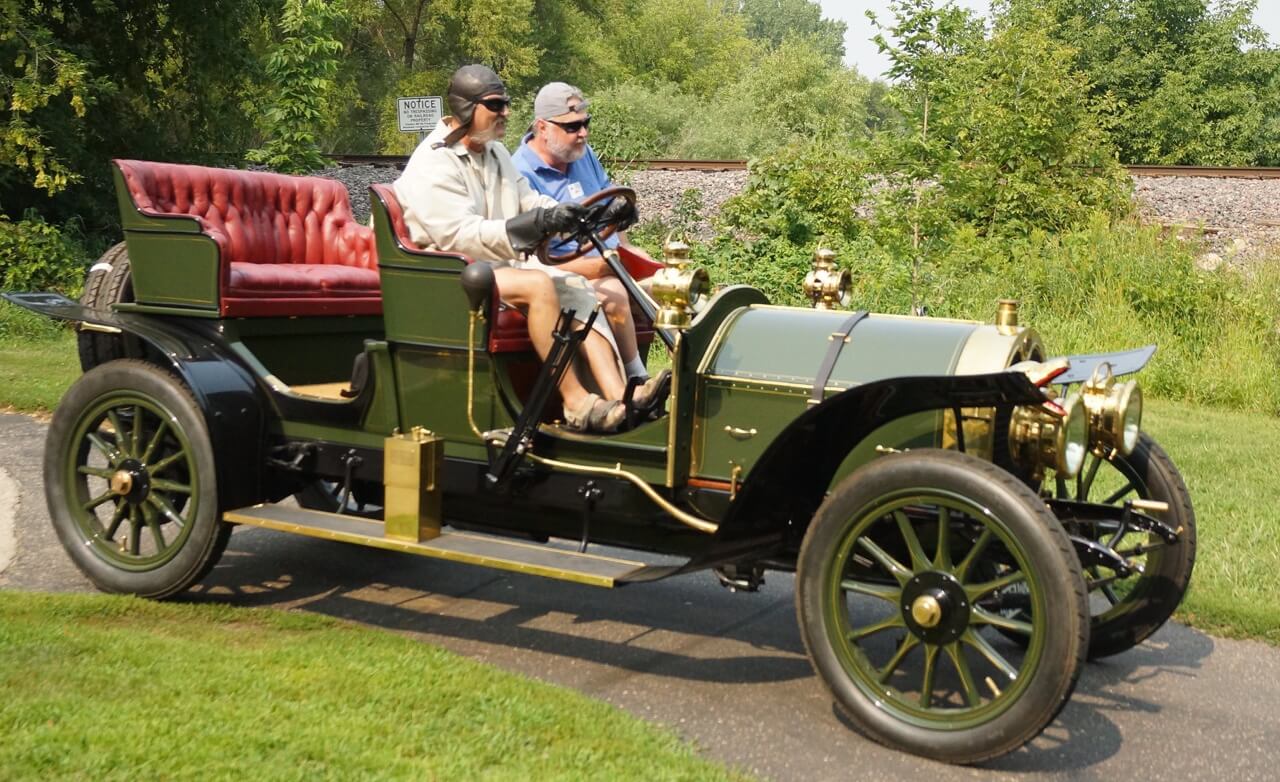
The Golden Age of Coaching

The 1900s saw the introduction of the electric starter motor, which replaced the hand crank and made starting cars much easier. Cars also became more comfortable, with the introduction of closed bodies, suspension systems, and better braking systems. The decade also saw the rise of luxury cars, with brands like Rolls-Royce and Mercedes-Benz becoming popular.

1910s

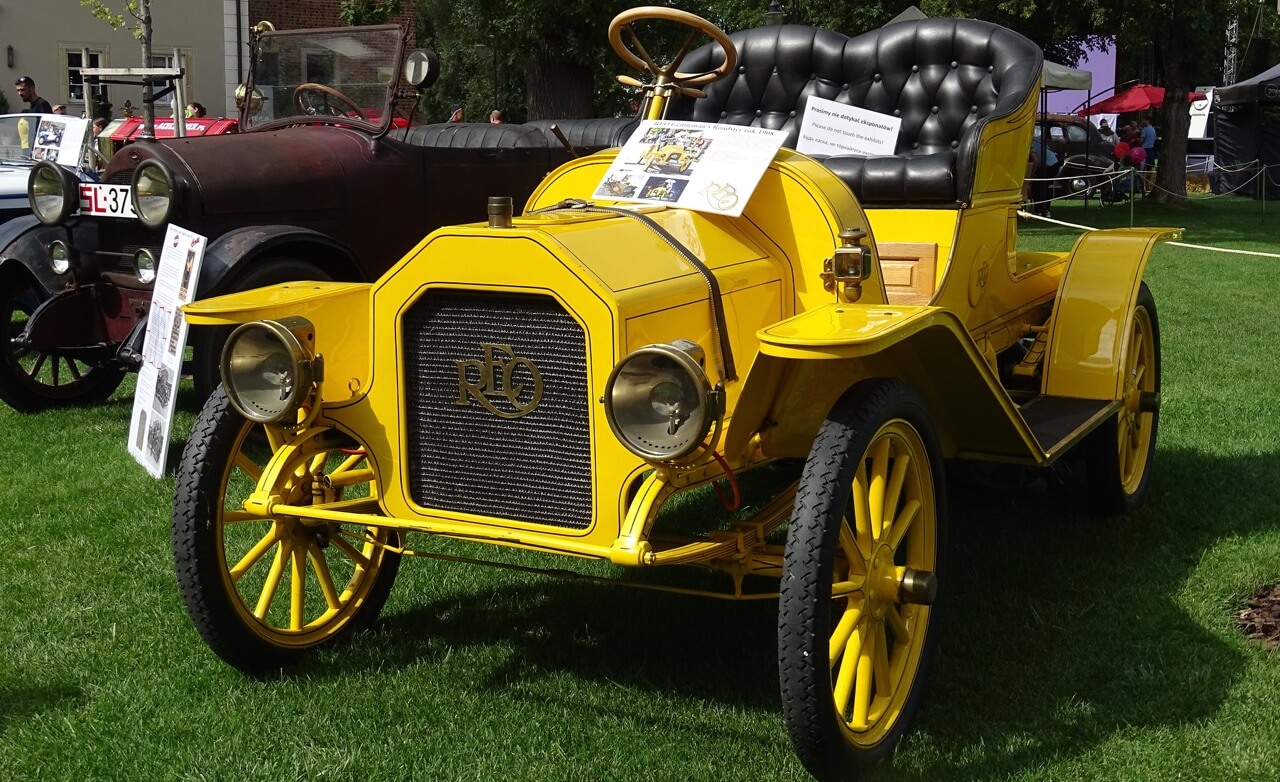
Mass Production and Streamlining

The 1910s saw the introduction of the electric self-starter, which replaced the hand crank and made starting cars much easier. Cars also became more powerful, with the introduction of the V8 engine, and more comfortable, with the introduction of hydraulic brakes and synchromesh gearboxes. The decade also saw the rise of the assembly line production method, which made cars more affordable and accessible to the masses. Cars began to feature Art Deco influences, bright colors, and the emergence of the "roadster" design.

1920s

The Roaring Twenties

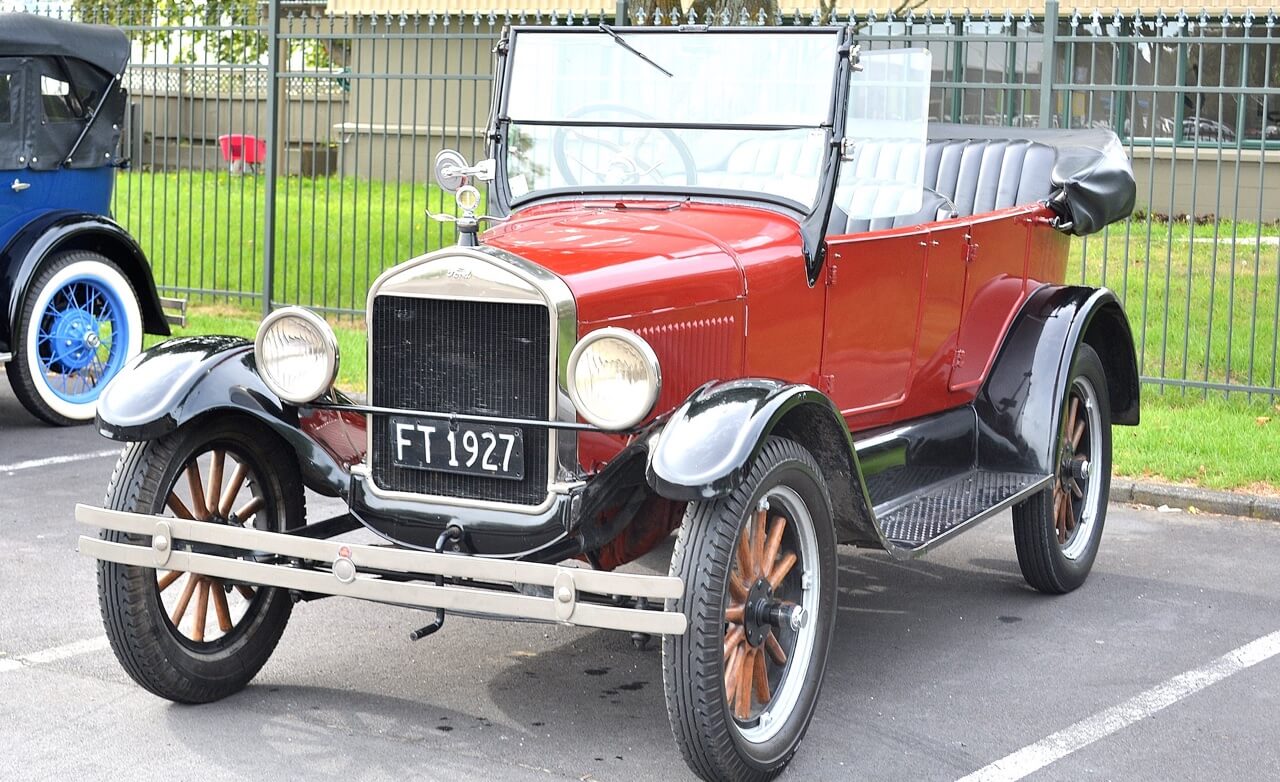
The 1920s were marked by the introduction of the first public traffic lights (1922), and the development of the first air-conditioned car (1923). This decade saw the improvement of engine performance, the introduction of the first synchromesh transmission, and the development of the first hydraulic shock absorbers. Cars became more stylish, with streamlined bodies, chrome accents, and the emergence of the "phaeton" design (four-door open cars).

1930s

Streamlining and Aerodynamics

Cars became more futuristic, with rounded bodies, tapered tails, and concealed running boards. The introduction of the automatic transmission (1932) and the development of the first diesel engine (1936) marked significant technical advancements. The decade also saw the rise of the "coachbuilt" car, where cars were built on a separate chassis and body. Cars became more aerodynamic, with curved lines and the emergence of the "aerodynamic" design.

1940s

Wartime and Rationing

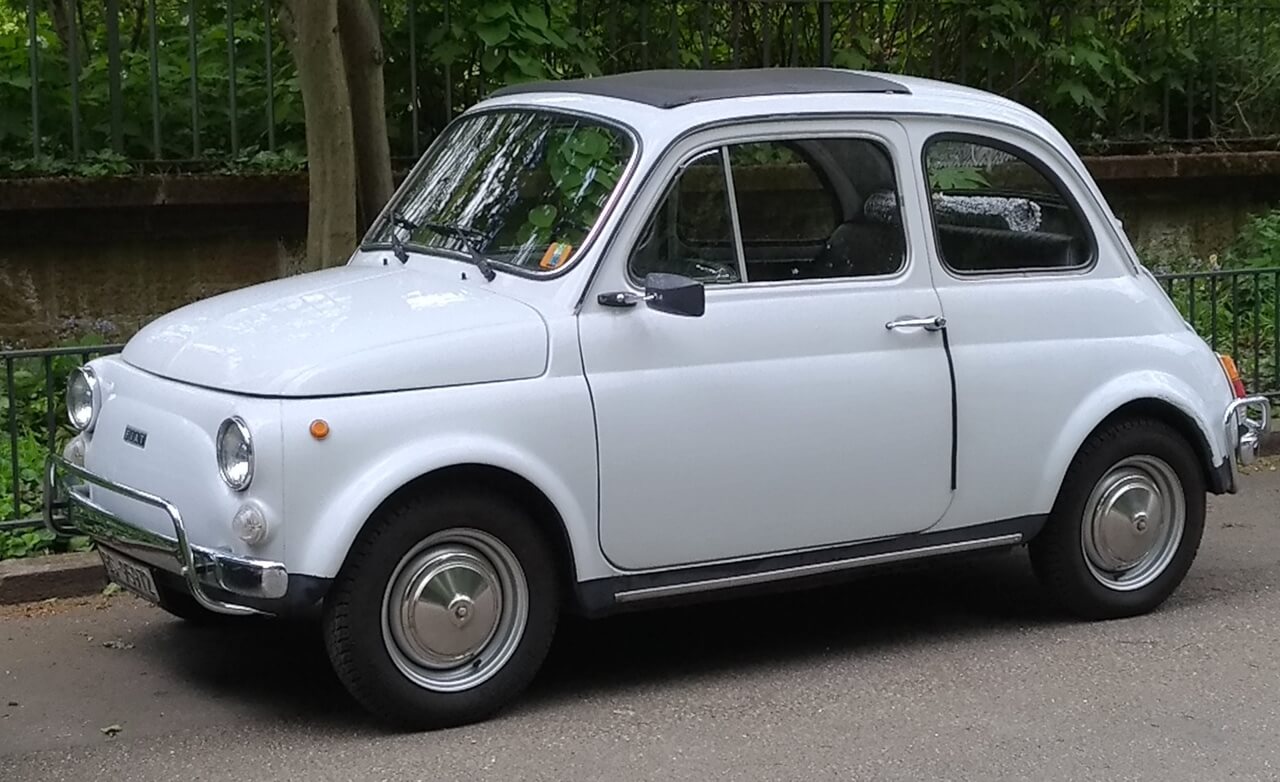
The 1940s were marked by wartime austerity, with car production severely limited due to rationing and resource allocation. Design-wise, cars became more utilitarian, with a focus on functionality and simplicity. However, the decade also saw the introduction of the first cars with monocoque bodies, which improved safety and reduced weight. The "ponton" design became predominant (enclosing bodywork and no running boards).

1950s

Post-War Optimism and Excess

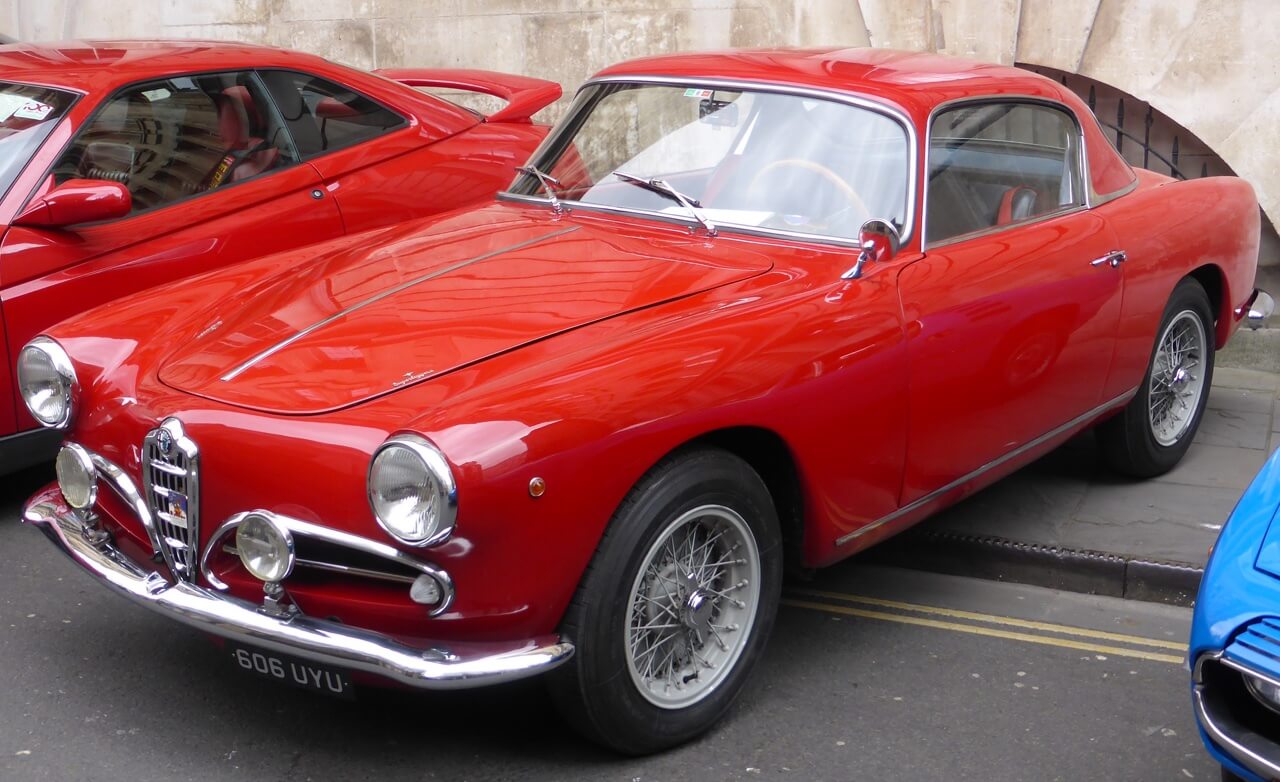
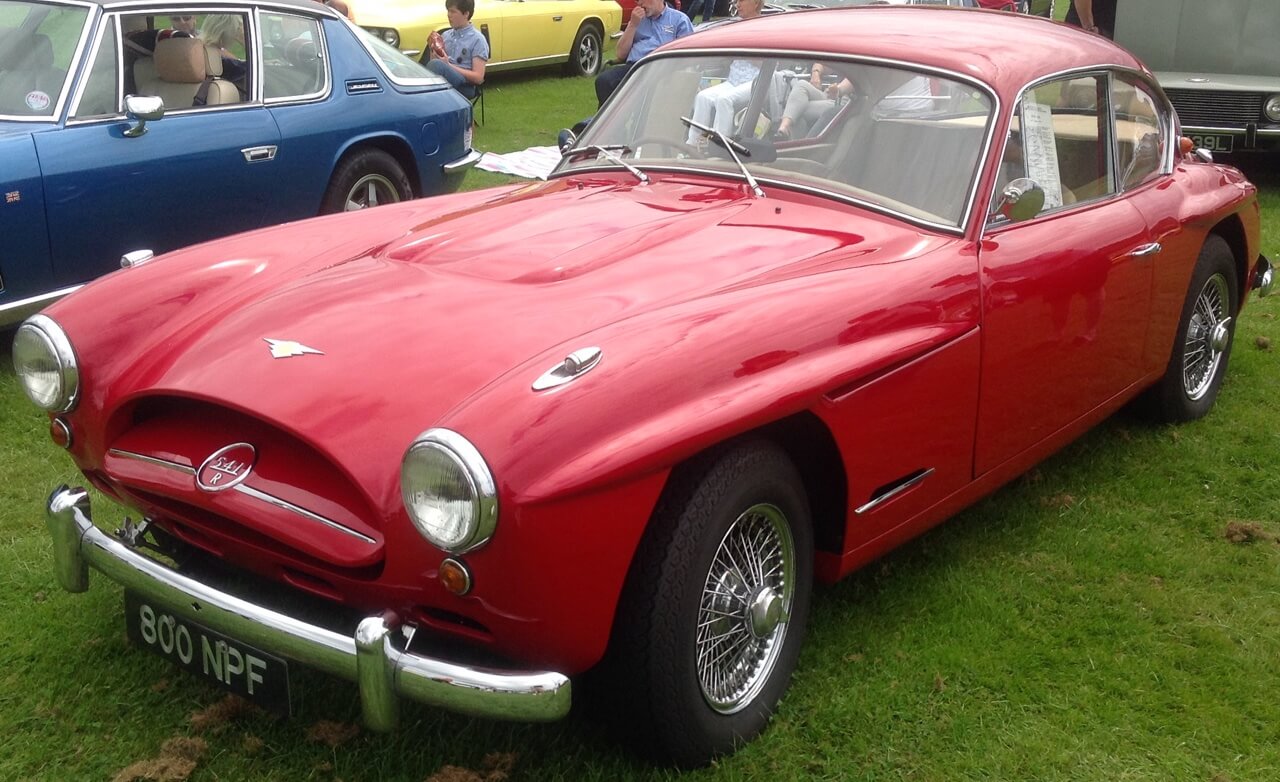
The 1950s were a time of post-war optimism, and car design reflected this newfound confidence. Cars became more extravagant, with bold fins, chromed accents, and lavish interiors. The introduction of the V8 engine (1955) and the development of the first seatbelts (1956) marked significant safety advancements. Cars also became more luxurious, with the introduction of air conditioning, power windows, and stereos.

1960s

Muscle Cars and Sports Cars

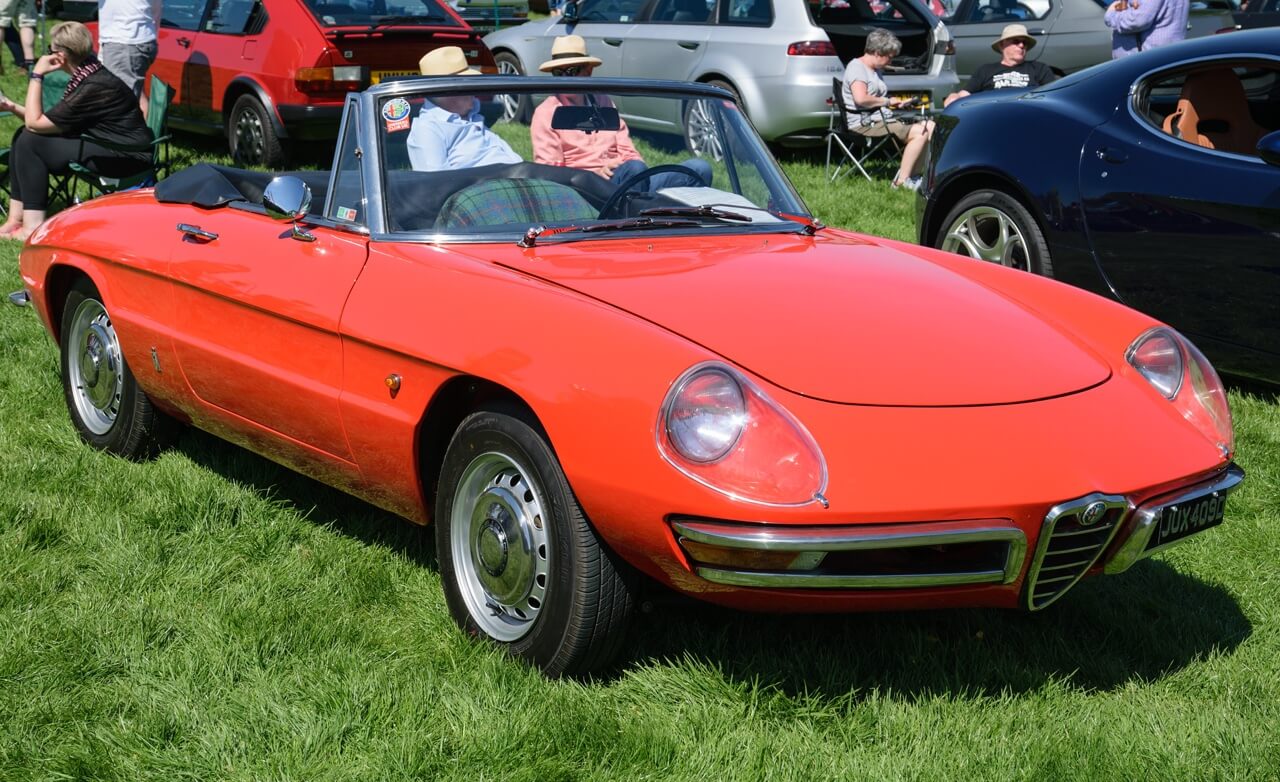
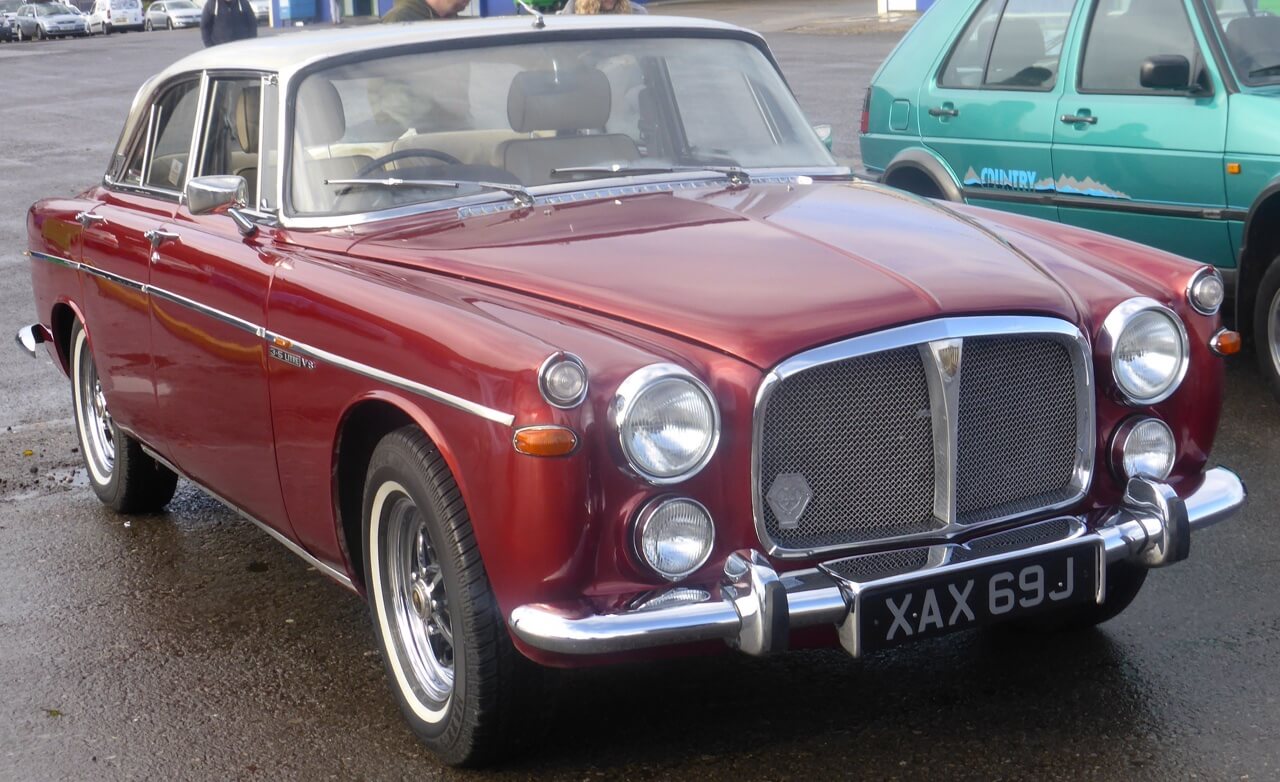
The 1960s saw the rise of performance-oriented sports cars. The focus was on speed, performance and handling. Design-wise, cars featured more aggressive lines, pop-up headlights. Safety features also became more prominent, with the introduction of seatbelts and padded dashboards. The 60s launched the "muscle car" design.

1970s

Safety and Regulations

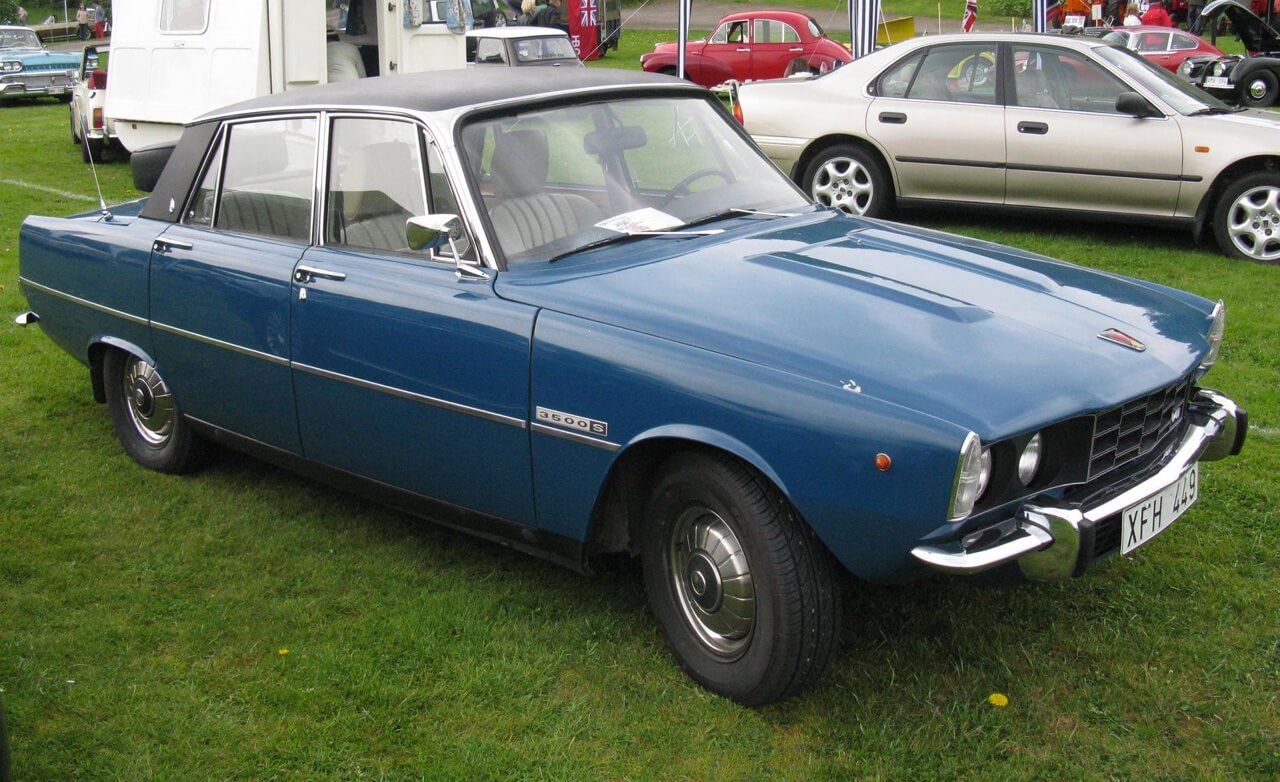
The 1970s were marked by a focus on safety and regulations. The introduction of safety features like airbags (1974) and anti-lock braking systems known as ABS (1978) became mandatory. Cars became more rectangular, with minimal ornamentation and the emergence of the "boxy" design. The 70s oil crisis brought the rise of the compact car, with cars becoming more fuel-efficient. The decade also saw the introduction of the first catalytic converters, which reduced emissions and improved air quality.

1980s

The Dawn of Modern Cars

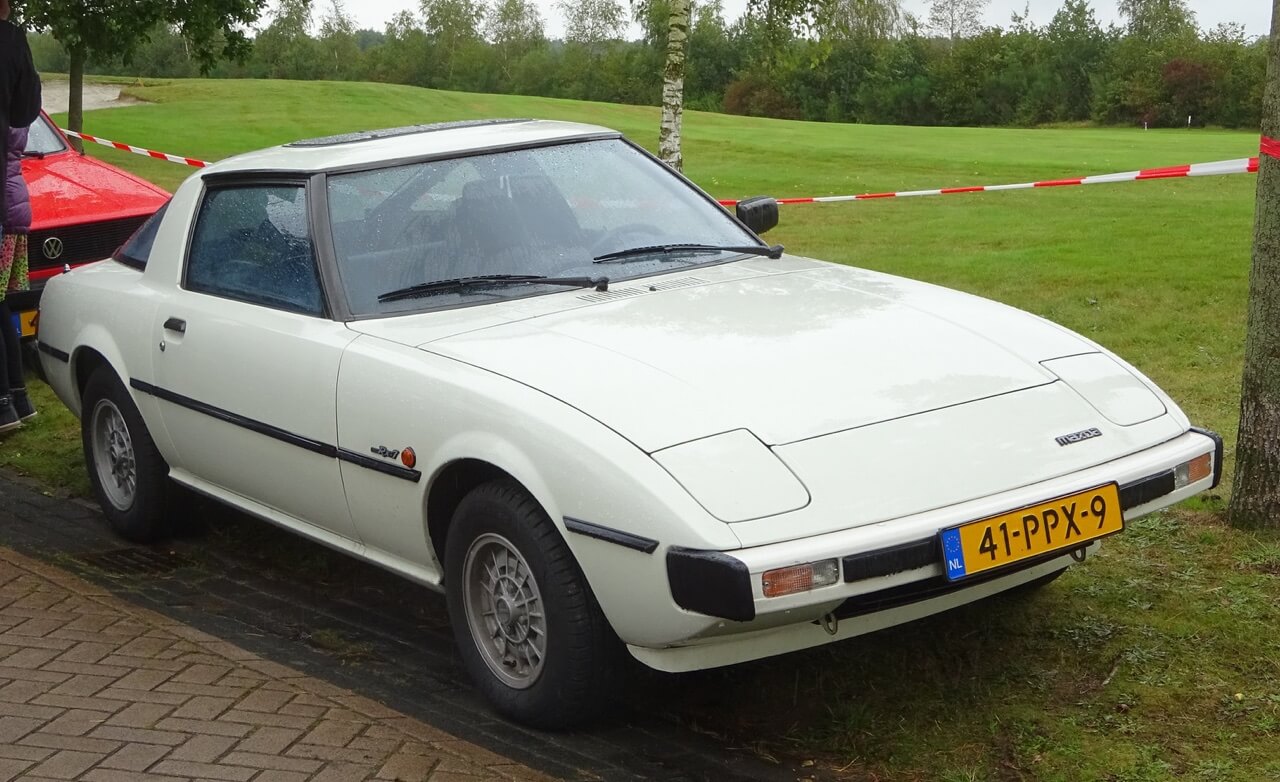
The introduction of computer-aided design (CAD) and wind tunnel testing led to more aerodynamic shapes. The decade also saw airbags introduced, which improved safety. Cars featured more curved lines, wedge-shaped profiles, and pop-up headlights. Cars also became more electronic, with the introduction of digital dashboards and electronic fuel injection.

1990s

Globalization and Electronics

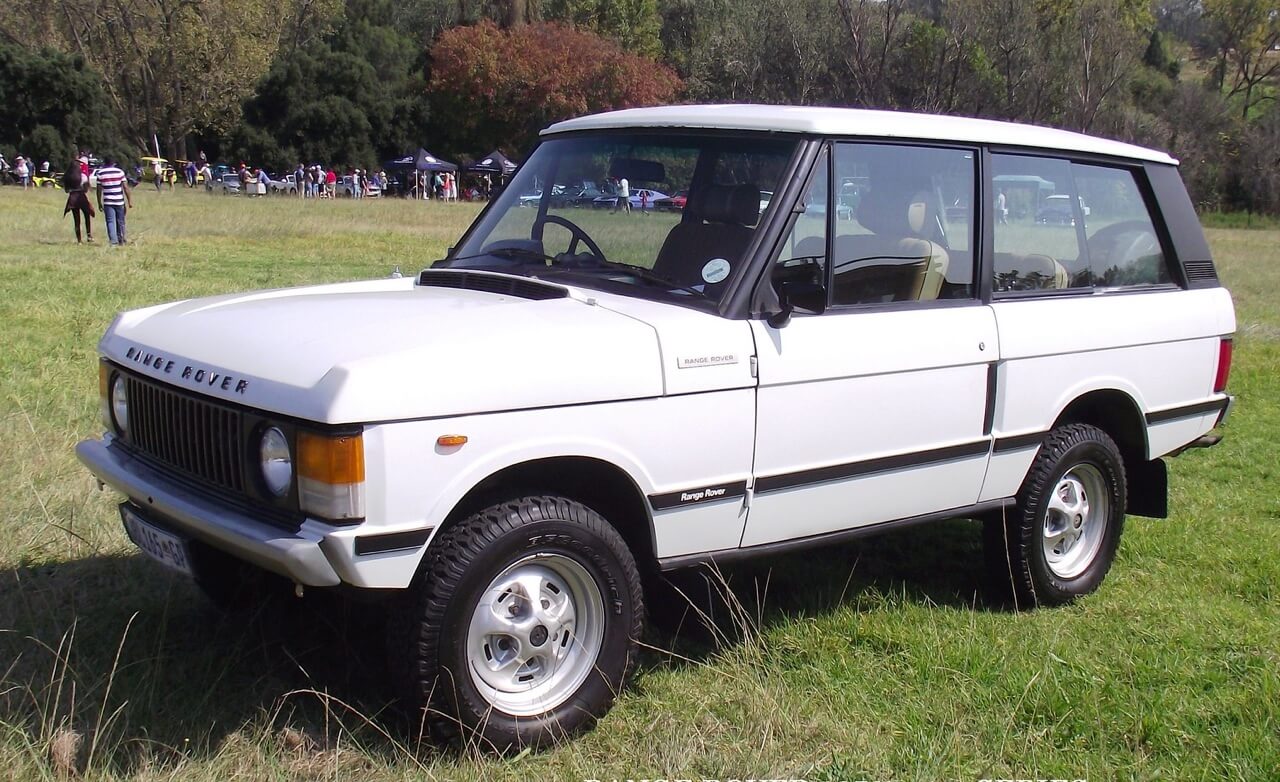
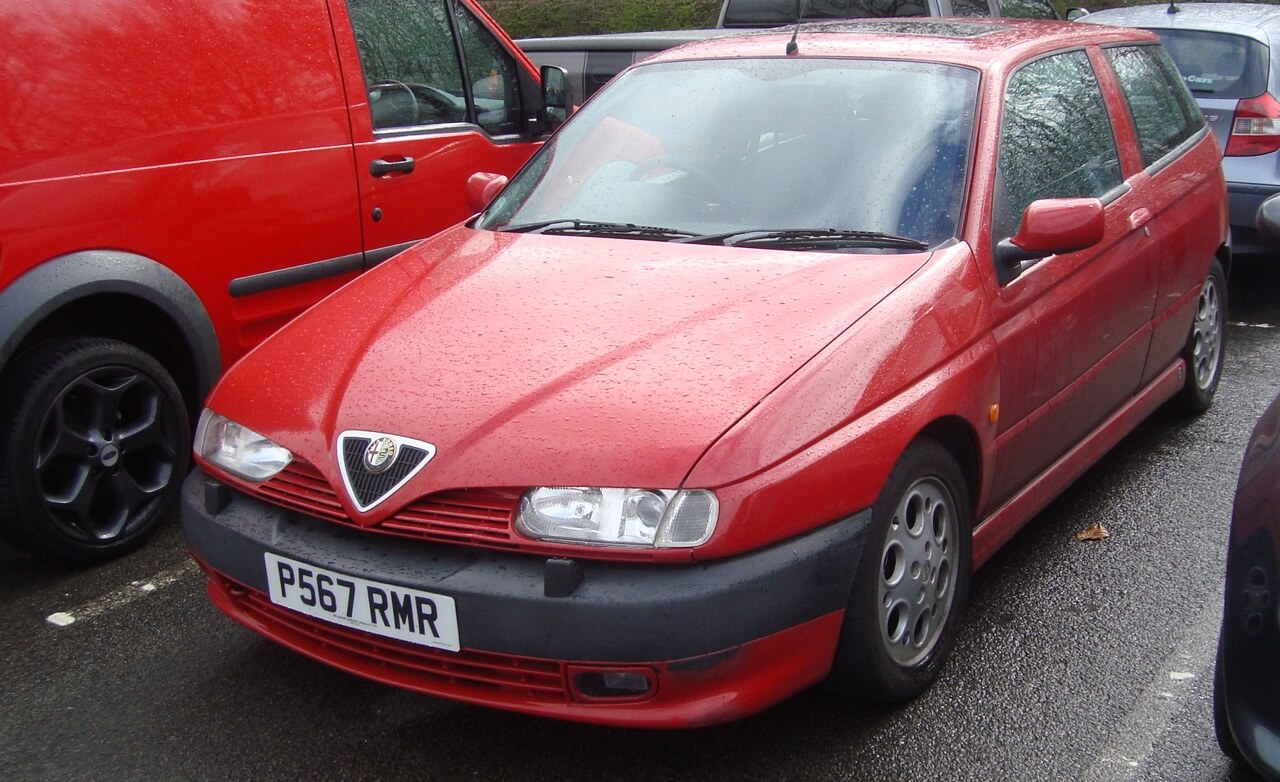
Cars became more connected, with the introduction of advanced infotainment systems and GPS navigation. Design-wise, cars featured more rounded shapes, softer lines, and a focus on ergonomics and user experience. The 1990s also saw the rise of the SUV, with cars becoming more rugged and off-road capable. The decade also saw the introduction of the first satellite navigation systems and advanced safety features like traction control and stability control.

2010s

Electrification and Autonomy

The 2010s were marked by a focus on electrification and autonomous driving. Cars became more environmentally friendly & sustainable, and more connected, with advanced infotainment systems and semi-autonomous features like adaptive cruise control. Shapes became more futuristic, with a focus on aerodynamics and reduced drag coefficients.

2020s

Digitalization and Sustainability

Cars are becoming increasingly connected, with advanced driver-assistance systems (ADAS) and over-the-air (OTA) updates. Design-wise, cars feature more streamlined shapes, with a focus on aerodynamics and reduced wind resistance. This decade saw the development of the first augmented reality displays. Cars became more futuristic, with angular shapes and the emergence of the "digital-native" design.